The Best Months and Times of Year to See the ISS
The International Space Station passes over your home several times a day, every day of the year. Seeing it, however, is a different story: some weeks bring magnificent passes almost every evening, while others offer none worth watching. Understanding this cycle will save you from stepping outside in vain.
The Rule That Governs It All: The Lighting Window
To spot the station, three conditions must align: it must be dark where you are, the ISS must be above your horizon, and sunlight must still reach it at its altitude. That third condition is key, as the ISS produces no light of its own—it only reflects it.
Because it flies at an altitude of about 400 kilometers, it stays illuminated long after darkness falls on the ground. This time gap creates two windows of opportunity each day: from dusk until about two to three hours later, and a matching window right before dawn. Outside these windows, the station is there and passing overhead, but completely invisible.
Why There Are Good Streaks and Bad Streaks
The ISS orbit is not synchronized with the solar day. Its orbital plane slowly drifts relative to the line separating day and night, running on cycles of about nine weeks.
The practical result is a pattern you will quickly recognize once you start checking sighting predictions: for about seven to ten consecutive days, there are great visible passes—often two or three per night, occurring earlier each day. Then the streak ends; passes shift to the middle of the night when the station is in Earth's shadow, leaving nothing to see for a couple of weeks. Then the cycle begins anew.
If you check the schedule one day and see no decent passes, the tracker hasn't failed: you are simply in the trough of the cycle. Check back in a week.
The Best Months of the Year
A seasonal phenomenon comes into play here, clearly favoring certain times of year over others. In the months surrounding the summer solstice, the Sun dips only shallowly below the horizon at night, casting a much shorter Earth shadow at an altitude of 400 kilometers. As a result, the ISS stays illuminated for a much larger portion of each orbit.
This enables the most spectacular passes of the year, including nights when the station crosses the sky four or five times without ever slipping into shadow. In the Northern Hemisphere, this occurs between late May and mid-July; in the Southern Hemisphere, between late November and January.
In winter, the pattern reverses: Earth's shadow is longer and deeper, visible streaks are shorter, and passes frequently vanish mid-transit. On the flip side, night falls much earlier, meaning evening passes occur at a convenient hour rather than at 11:30 p.m.
The Best Times of Night
During a good streak, not all passes are created equal:
- 60 to 120 minutes after sunset: the prime window. The sky is dark and the station remains fully illuminated. This is when the brightest, most complete passes occur.
- Right at dusk: the ISS is bright, but the sky is still light, reducing contrast. Visible, but less striking.
- Pre-dawn hours: excellent visibility and exceptionally clear skies, with the only drawback being the hour. A great choice for photography.
- Middle of the night: almost always useless. The station is inside Earth's shadow and completely invisible, even if it passes directly overhead.
How to Make the Most of a Good Streak
Once you notice a streak has started, check the passes for the next seven days all at once on the pass schedule calculator and pick the one with the highest elevation of the week. That is the pass worth traveling to an open horizon for, or booking time to photograph.
Keep in mind that with each streak, passes shift about 20 to 25 minutes earlier each night. If it passes at 10:40 p.m. today, tomorrow it will be around 10:15 p.m. Never assume yesterday's timetable still applies.
If you want to understand why the orbit behaves this way, how the ISS orbits explains the full mechanism, while the real-time tracker lets you follow its current path on the map. You can find practical steps for your first sighting in the spotting guide.
The schedule is not random; it is a cycle. Once you recognize it, you can stop checking by chance and start picking the best night.
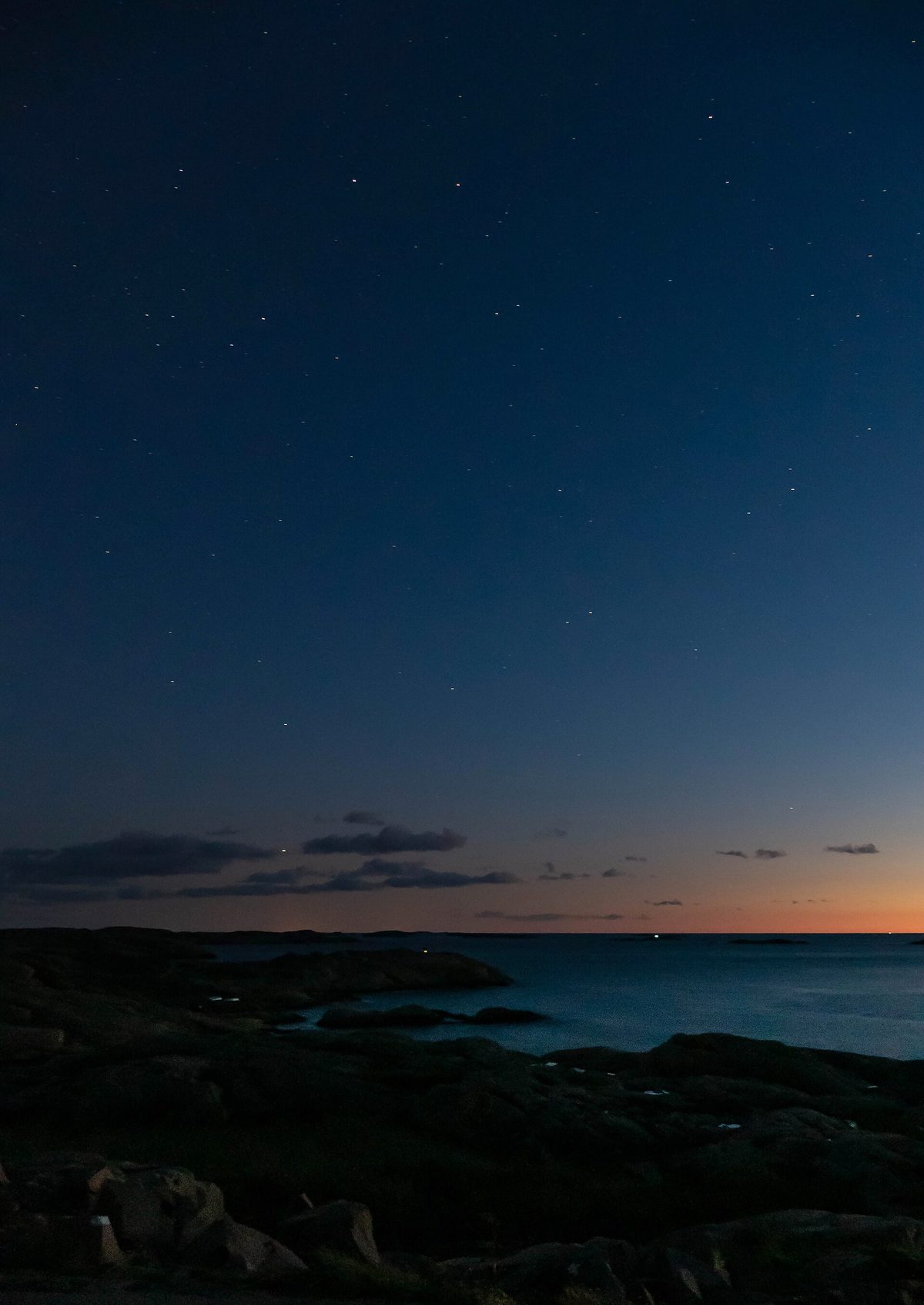
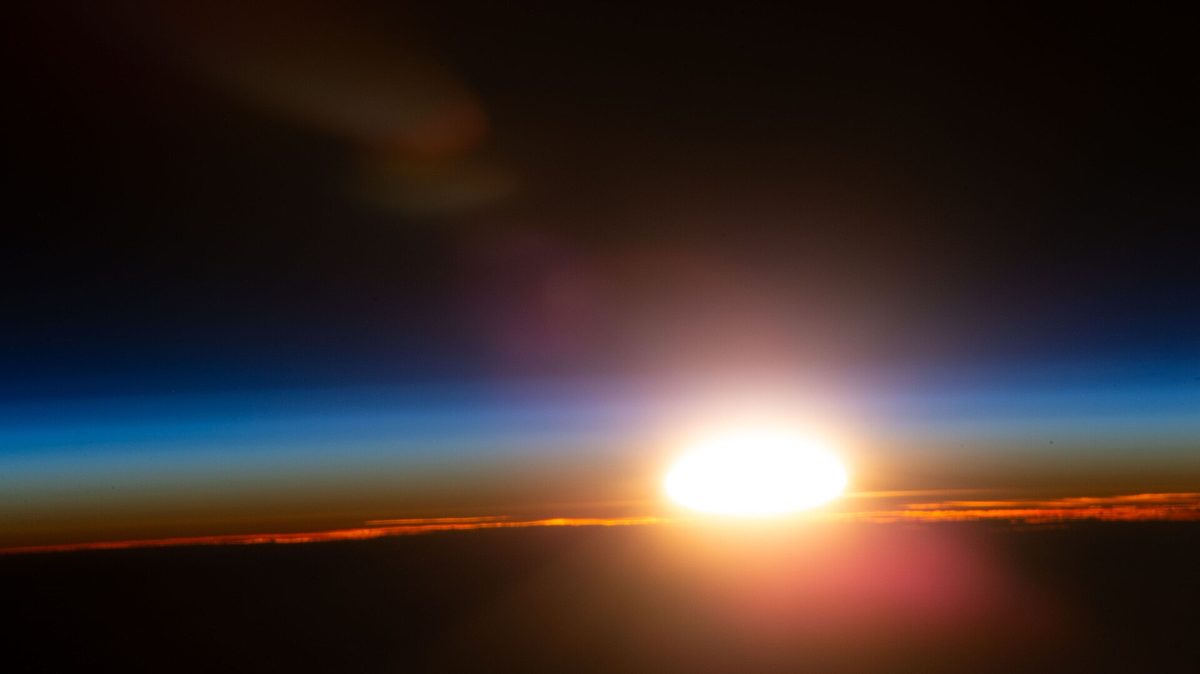
Images: cover, Sunset and stars over Stångehuvud — W.carter (CC0). Inside, An orbital sunrise illuminates Earth's atmosphere and cloud tops (iss073e0988954) — NASA Johnson Space Center (Public domain).
Source: ISS Tracker ↗