Starbase and Starship’s Pad 1: What They Mean for Low Earth Orbit
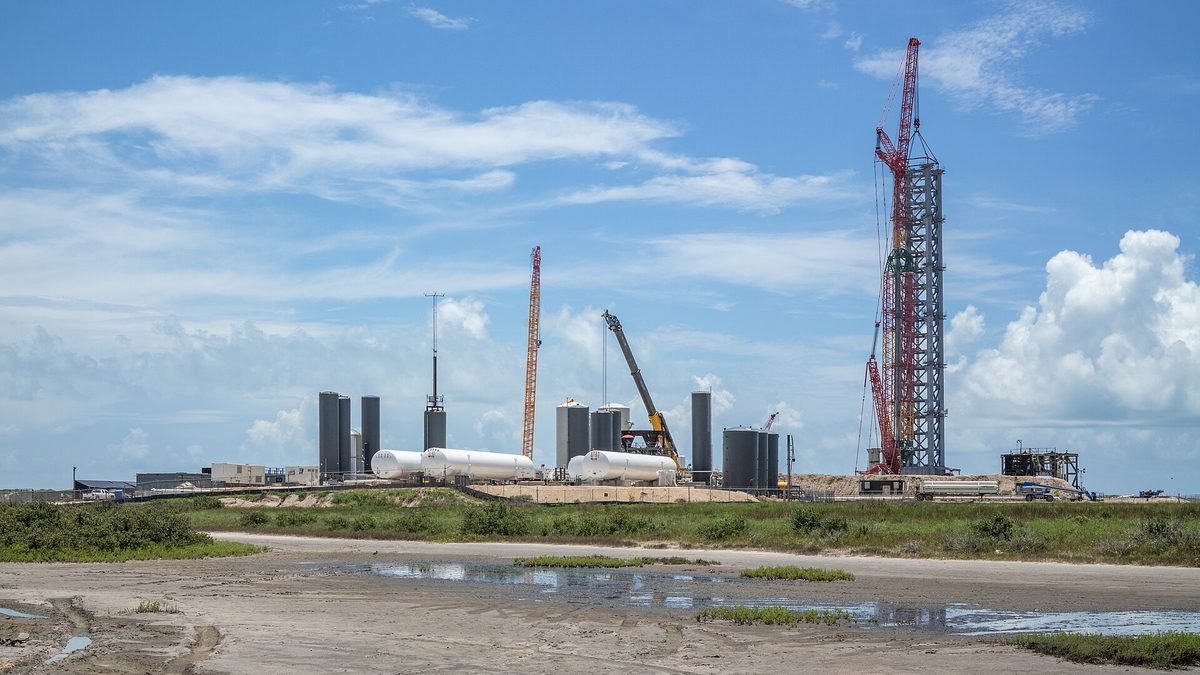
In South Texas, right on the border with Mexico, sits a stretch of coastline that has transformed in less than a decade from a tiny village into the hub of the most ambitious space development project underway. Starbase is where SpaceX builds and launches Starship, and Pad 1 is the launch pad where it all began. What happens there directly affects the future of low Earth orbit, where the International Space Station flies.
What Exactly Is Starbase
Starbase is not a conventional launch site. It is both a factory and a spaceport: stainless steel rings are welded, stacked, and assembled into rockets just a few miles from the pads they launch from. This proximity between production and launch is deliberate, enabling the rapid iteration pace that defines the program.
The launch complex features two pads. Pad 1 is the original, which supported the first integrated test flights, featuring the launch tower and the catch arms that became famous. Pad 2 is the second generation, designed from scratch based on lessons learned from the first.
Why Pad 1 Matters
Pad 1 is where the project's defining concept was proven under real-world conditions: catching the booster back at the tower with mechanical arms instead of landing it on legs. When that maneuver succeeded, it went from an engineering hypothesis to a proven technique.
It has also served as the testbed for everything else: the water deluge cooling system beneath the pad following damage on the first flight, the simultaneous ignition sequence of dozens of engines, and large-scale cryogenic refueling. Every flight yielded a checklist of fixes applied directly to the concrete before the next one.
The Connection to Low Earth Orbit and the ISS
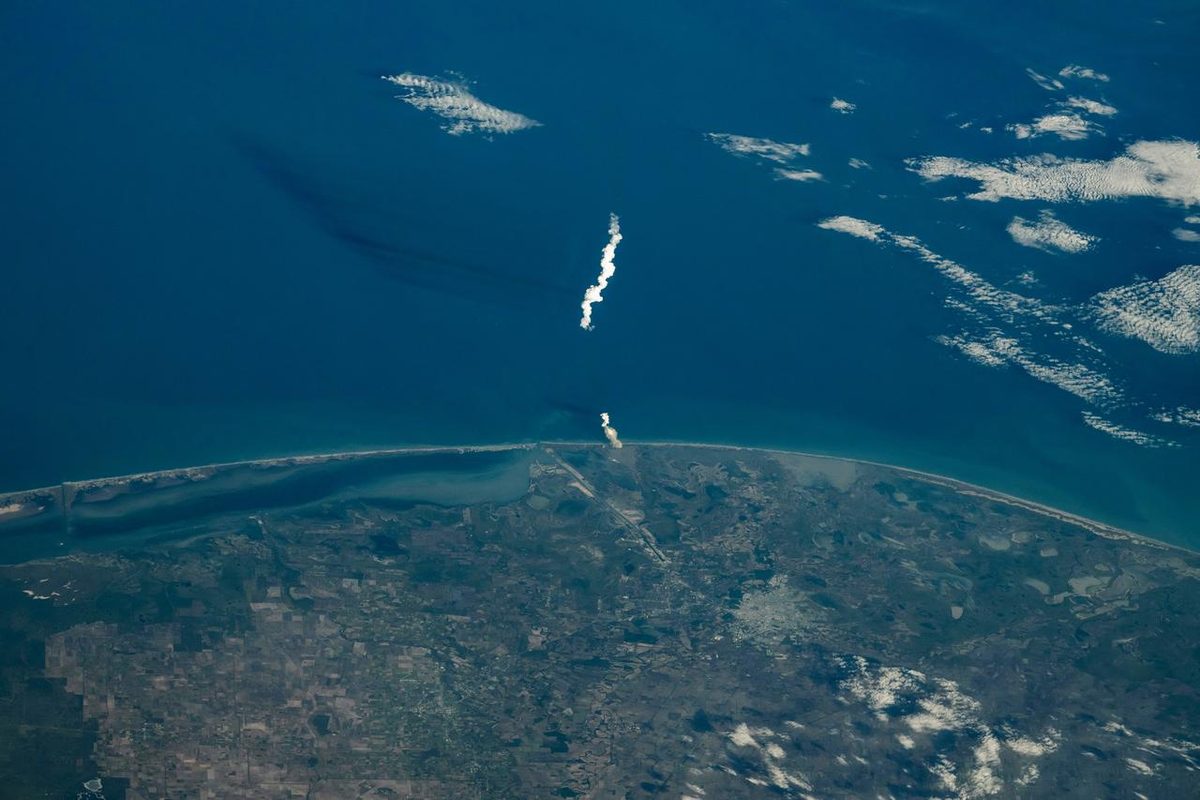
This is where it stops being just a rocket story and becomes a story about the future of space stations. Everything in low Earth orbit today is constrained by how expensive it is to launch mass. Assembling the ISS module by module required dozens of Space Shuttle flights and Russian rockets, precisely because no launcher could lift that much at once.
A vehicle capable of placing a hundred tons into orbit per flight, and doing so with full reusability, completely changes that equation. The commercial space stations planned to succeed the ISS depend heavily on the availability of cheap, frequent launch capacity. Without it, that transition becomes much more difficult.
And that transition is necessary, because the ISS has an expiration date. In our guide on what will happen to the ISS when it retires, we break down the controlled deorbit plan and what is expected to take its place.
What It Means for Skywatchers
There is a very tangible side effect: there is increasingly more to see up there.
- More bright objects: upper stages, freshly deployed satellite payloads, and satellite trains crossing the sky in the days following a launch.
- Heavier low Earth orbit traffic, which translates into more collision avoidance maneuvers for the ISS itself and, consequently, pass predictions that need more frequent updates.
- Visible reentries: debris burning up and leaving a fragmented, glowing orange trail, starkly different from the steady, clean point of light of the station.
Telling all of that apart from the ISS is becoming more and more necessary. A train of aligned dots is not the station; a single, steady, non-blinking white dot is. You can find the complete criteria in Starlink vs. the ISS.
The Schedule, with Caution
It pays to treat Starbase timelines with a healthy dose of skepticism. Test flights face constant delays due to technical reviews, regulatory approvals, weather windows, and static fire results. A launch announcement for two weeks out rarely happens right on schedule.
What remains constant is the pace of construction: new hardware rolls out of the factory continuously, and the annual flight rate has steadily climbed.
Meanwhile, the ISS is still up there every night. You can track where it is right now with our real-time tracker, see who is aboard on the current crew page, and find out when it will pass over your home using the pass calculator.
Starbase is shaping what low Earth orbit will look like in the next decade. The ISS is the one you can still see tonight.
Images: cover, USA - Texas - Boca Chica - Starbase (51286772204) — Alexander Hatley from Spring, Texas, USA (CC BY 2.0). Inside, iss072e220043 — NASA (Public domain).
Source: ISS Tracker ↗